Building a logistics platform?
Start with a free 30-minute conversation about your goals and constraints. Detailed analysis, solution design and estimates are scoped separately.
Fleet, warehouse and tracking systems built for end-to-end visibility, operational optimization and integration with modern logistics ecosystems — by senior engineers.
Trusted by founders, scale-ups & enterprise teams












 Anteca
Logistics platforms rarely stall on the routing maths. They stall on data that never lands in one place: carrier EDI, ERP orders and telematics feeds still re-keyed by hand. That's where we start:
Vehicle, driver and maintenance management with telematics, compliance documents and cost tracking in one operational view.
Multi-stop routing that accounts for capacity, time windows and traffic — cutting distance, fuel and overtime across the fleet.
Live GPS tracking of vehicles and shipments with geofencing, status events and customer-facing tracking pages that reduce "where is my order" calls.
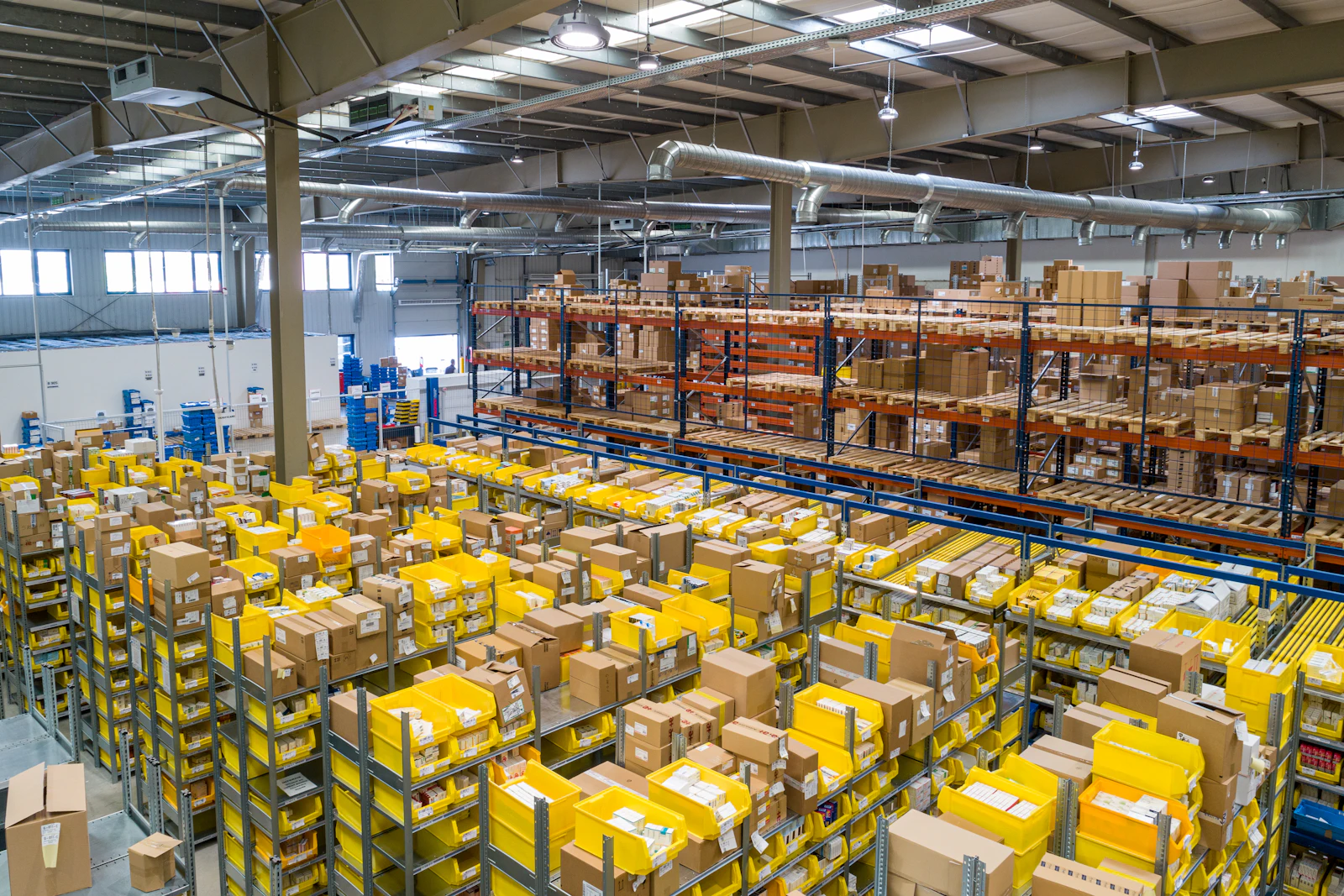
Inbound, putaway, picking and dispatch flows with barcode and scanner support — built for accuracy at high throughput.
EDI and API integrations with carriers, customs, ERP and marketplace systems so orders, manifests and invoices flow without re-keying.
AI-powered ETA prediction and demand forecasting built into the platform — flagging delays before they cascade and smoothing capacity planning.
Yes. We integrate over EDI and modern APIs with carriers, customs, ERP and warehouse systems, and build adapters for legacy or proprietary formats. We map your integration surface in a short discovery phase so the build has no hidden gaps.
It depends on scope and integrations. A focused tracking or fleet tool typically runs €20k–45k; a full TMS/WMS platform with route optimization and EDI is usually €60k–175k+. We give you a realistic range in a discovery call, and a fixed-price estimate once scope is defined.
A first production release generally takes 2–4 months depending on integrations. We phase delivery — for example real-time tracking first, then route optimization — so you get value into operations early rather than waiting for the whole platform.
Accuracy improves as the system learns from your historical and live data. Early estimates use distance, traffic and time-window data; once enough trip history accrues, AI models typically tighten ETA windows significantly. We instrument the system so you can see accuracy improving over time, not just take our word for it.
Yes. We build on event-driven, cloud-native architecture that scales horizontally, so peak-season volumes do not degrade tracking or routing. We load-test against your expected peaks before go-live so capacity is proven, not assumed.
Start with a free 30-minute conversation about your goals and constraints. Detailed analysis, solution design and estimates are scoped separately.